Creative Direction · Brand Systems · AI Production

I build the systems
the work comes out of.

Creative direction and brand identity for a NASDAQ-listed technology company, paired with the AI production systems underneath that make the output repeatable. Most people who can architect the system cannot judge what comes out of it. Most who can judge the output cannot build the system. This page is both halves.

Selected work · 2025–2026 Direction, production systems and team leadership
1:19 · Sound on
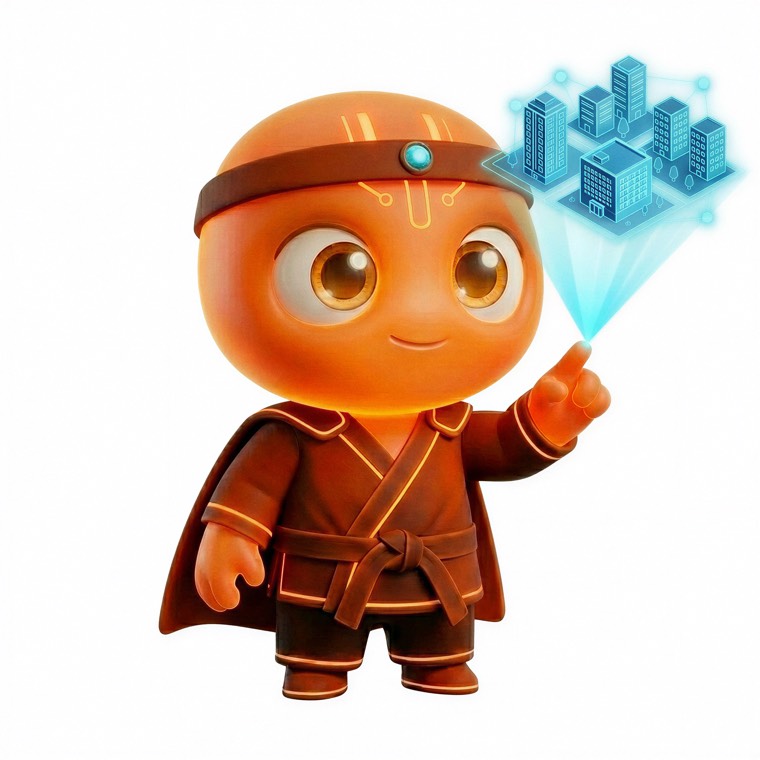
Product agent character on a holographic platform
Agent character with a global network map
Field technician with an augmented reality overlay at sunrise
Armoured figure in a data centre corridor
City skyline at night with network arcs
Character technician with field equipment
Built
A 46-node production pipeline, a prompt optimizer, a multi-agent screening system, working hubs a team can produce out of.
Directed
Launch films for a NASDAQ-listed company's biggest product launch. A 35-shot cinematic explainer in ten working days.
Designed
One identity system out of two years of scattered sub-brands. Seven characters, four-view turnarounds, vectors, handed over.
Governed
86 pages of production standards and the disclosure framework that decides whether generated work can ship at all.
Systems

The half that never shows up on screen

Everything above came out of something. The films came out of a pipeline. The characters came out of a design system. The brand came out of a set of rules that let other people produce against it without me in the room. None of that is visible in the finished work, which is exactly why it is worth showing.

S1

A multi-agent system that runs my own job search

Built and running · agents, gates, audit trail

It queries the Greenhouse, Ashby, Lever and Workday APIs directly across ninety-plus companies, scores every requisition against a weighted rubric, and kills anything that fails a hard gate before it reaches me: wrong country, a listing that is already dead, a compensation floor, or a job title that means something different from what it appears to mean. Agents have defined roles. State moves between files and nothing is ever deleted, so every decision has an audit trail I can go back through.

I approve everything. It decides what is worth my attention. That division is the whole design, and it is the same one I would build for a team.

Multi-agent designAPI integrationScoring and gatingAudit trail
S2

The production pipeline and prompt optimizer

Custom tooling · built, not bought

A 46-node pipeline spanning seven-plus AI platforms, taking script to storyboard to high-resolution first and last frames to finished clips with audio. Alongside it, a prompt optimizer that reads the generated storyboard back against the original script treatment and writes the timestamped direction between keyframes, so camera and performance intent survives into the shot instead of dying at the prompt. Clip generation went from hours per scene to fifteen minutes.

Pipeline architecturePrompt engineeringWorkflow automation
S3

Knowledge architecture for AI systems

Three and a half years · digital twins and agents

Built from the ground up for small business owners and corporate marketing teams, starting with custom GPTs. The work is not prompting. It is structuring, curating and pruning the source material until retrieval returns the right thing rather than the nearest thing.

These systems fail on thin or contradictory source documentation, not on model choice, so the real deliverable is the exhaustive requirement set underneath. That is the difference between something that demos well and something that survives daily use by an operator who is not technical.

Knowledge architectureRetrieval readinessRequirementsDigital twins
S4

The governance nobody wants to write

AI transparency and disclosure framework

In most organizations the blocker on shipping generated work is not craft and it is not model quality. It is that nobody has an agreed answer on what discloses, who reviews, and which step it replaces. So the work is good and stuck. I wrote the framework that governs customer-facing generated content, plus 86 pages of production standards across eight sections with review gates and human-in-the-loop checkpoints written in, and trained the team against it.

GovernanceReview gatesHuman in the loopEnablement
S5

Hubs a production can actually run out of

Built in Claude Code

A per-project video production hub carrying goals, tasks, file management, prompt libraries, first and last frame holders, storyboarding and shot-by-shot tracking in one place. A blog pipeline hub for status, review and editing across a full calendar. Multiple websites and design system hubs. A task manager and command center built to match how I actually work rather than how project software assumes I do.

Two years of AI-assisted building across Claude Code, Cursor, Replit and Lovable, including connecting MCP servers and APIs. I am not a software engineer and do not claim to be. The skill is specifying precisely enough that the thing gets built, and then knowing whether it works.

Internal toolingClaude CodeDesign systemsMCP and APIs
S6

This page

Repo, Pages, DNS, push to deploy

Hand-built, version controlled, custom domain, live about thirty seconds after a push. It is the smallest thing on this list and it makes the same point as the rest: I would rather ship the thing than commission it and describe it.

DeploymentDNSStatic hosting
Identity

One system out of many brands

Two years of sub-brand work had piled up across the company: separate assets, separate treatments, no shared language between any of them. The job was not to design a new brand on top of that pile. It was to find what was already true across all of it and build one system the whole company could work inside.

The Neural Arc is what came out of it. A cyan to hot-pink thread, visual fabric rather than a logo, and it became the connective tissue. It runs through the website, and the agent family is built out of it. Once a thread like that exists everything downstream inherits it, which is also what makes it a workable foundation for where the product interface goes next.

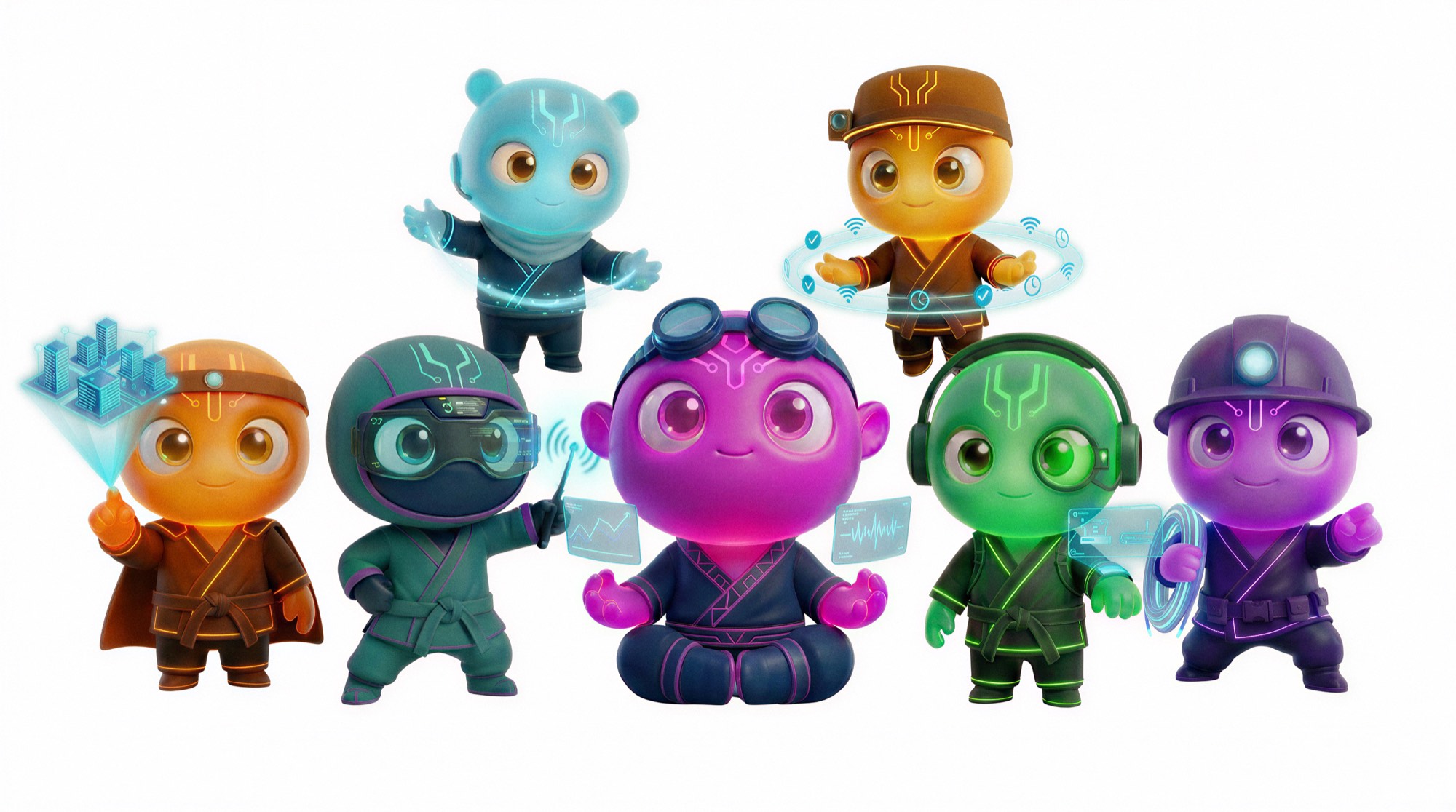
The seven agent characters together, each a different colour
The full family. One character per product vertical.

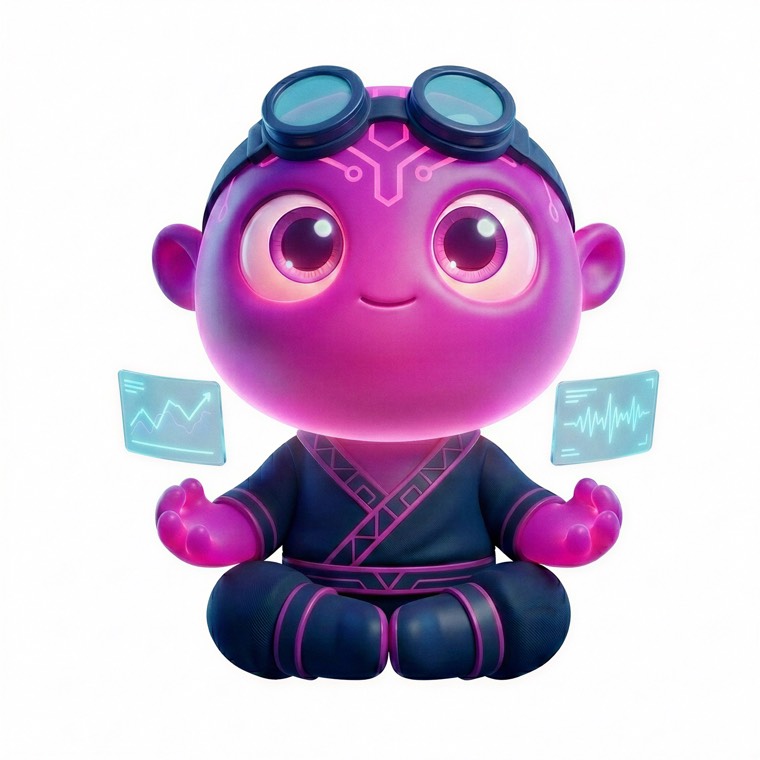
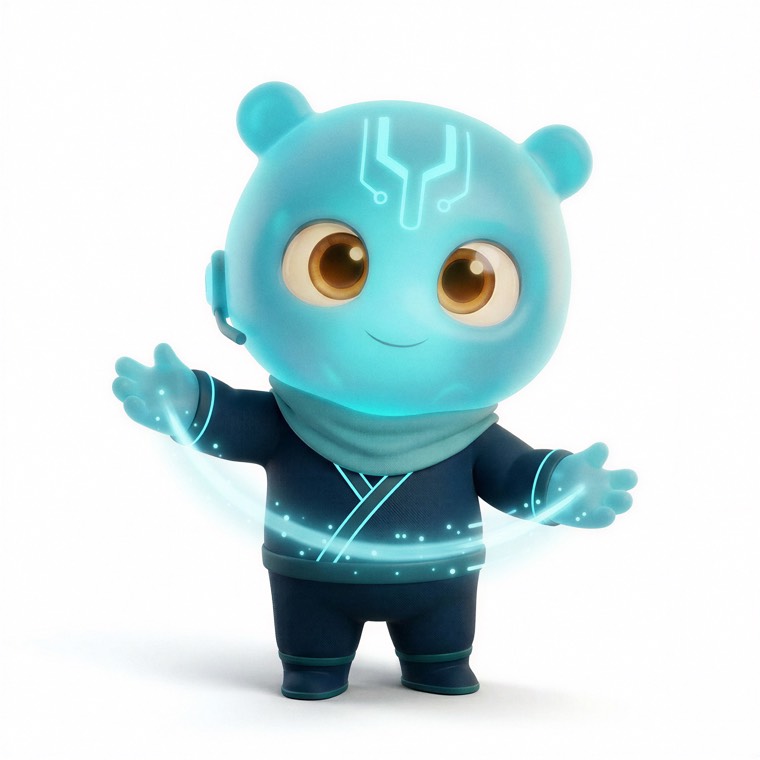
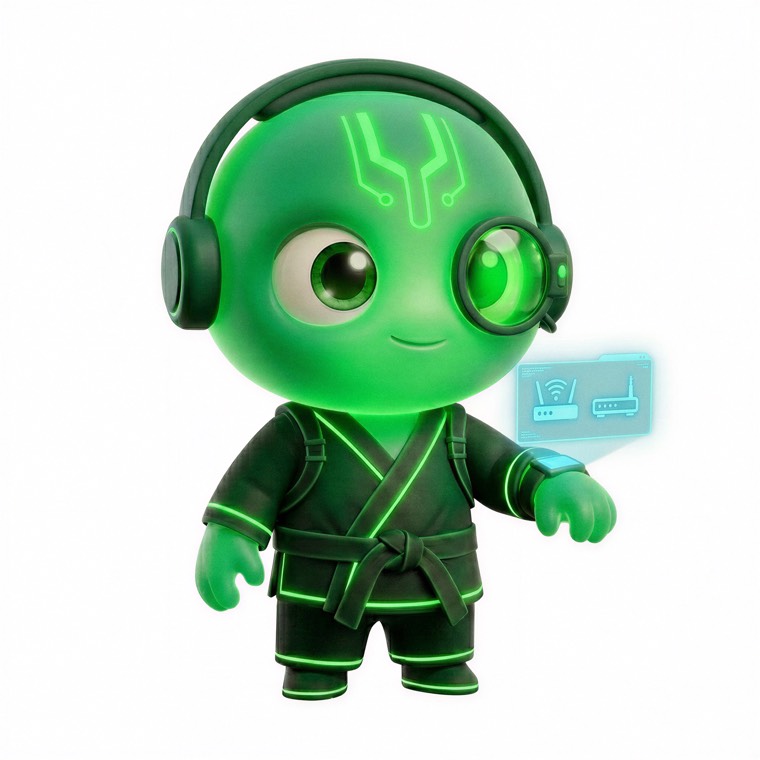
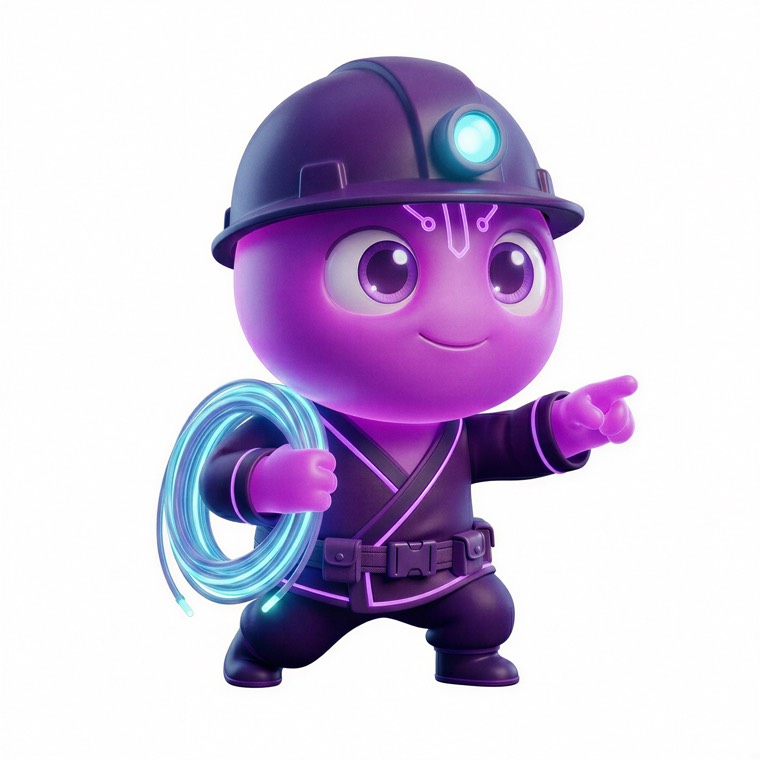
Seven characters, one for each vertical the product serves. The brief was a system, not a cast: one silhouette, one construction, one circuit glyph, one holographic interface language, with colour and props carrying the difference between them.

Agent character Dash
Dash
Agent character Dojo
Dojo
Agent character Echo
Echo
Agent character Halo
Halo
Agent character Nova
Nova
Agent character Scout
Scout
Agent character Vista
Vista
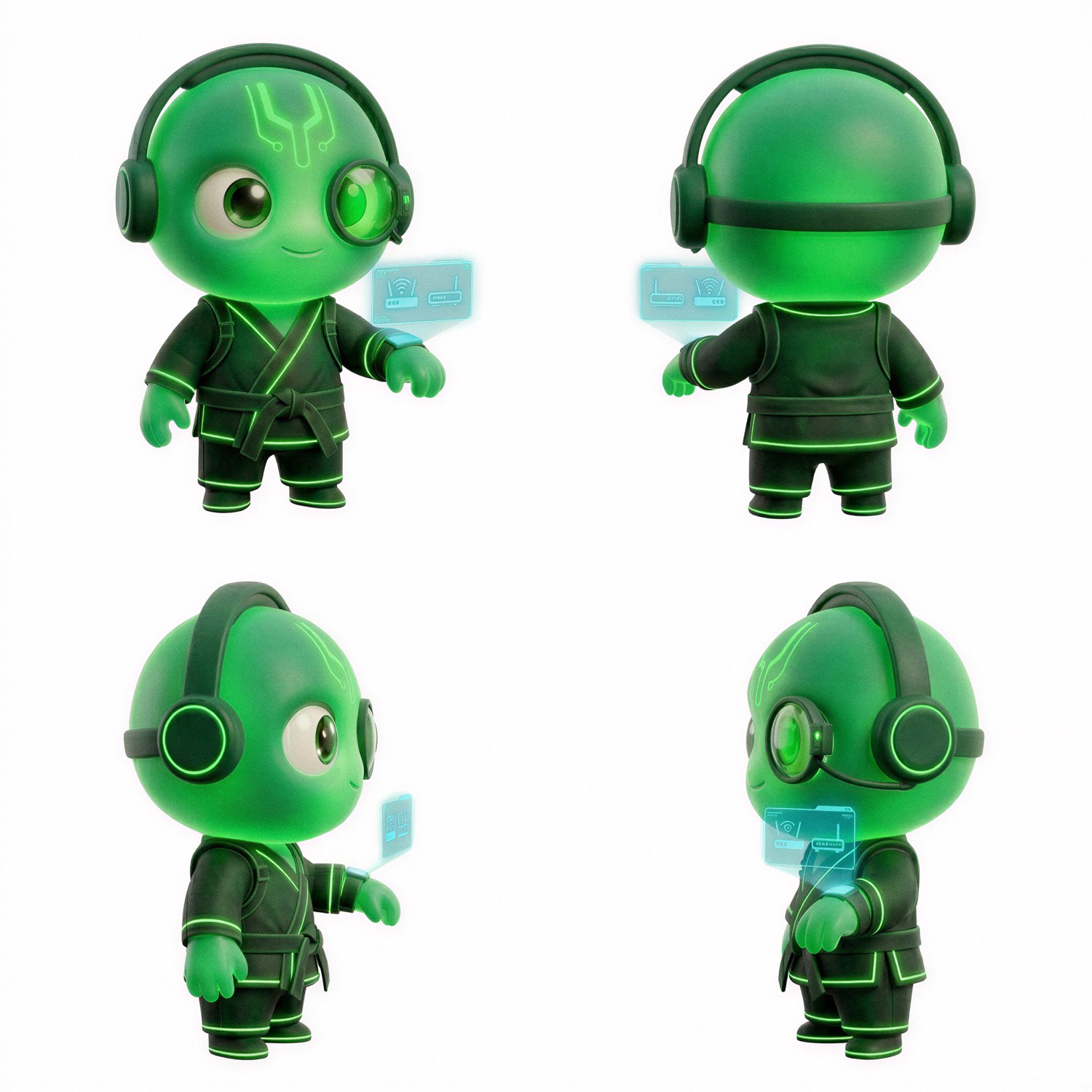
Four-view character turnaround sheet for one agent
Every character shipped with a four-view turnaround and vectors. That is what makes a character reusable by a team instead of a single render by one person.
Exploration

Three directions, before anything was built

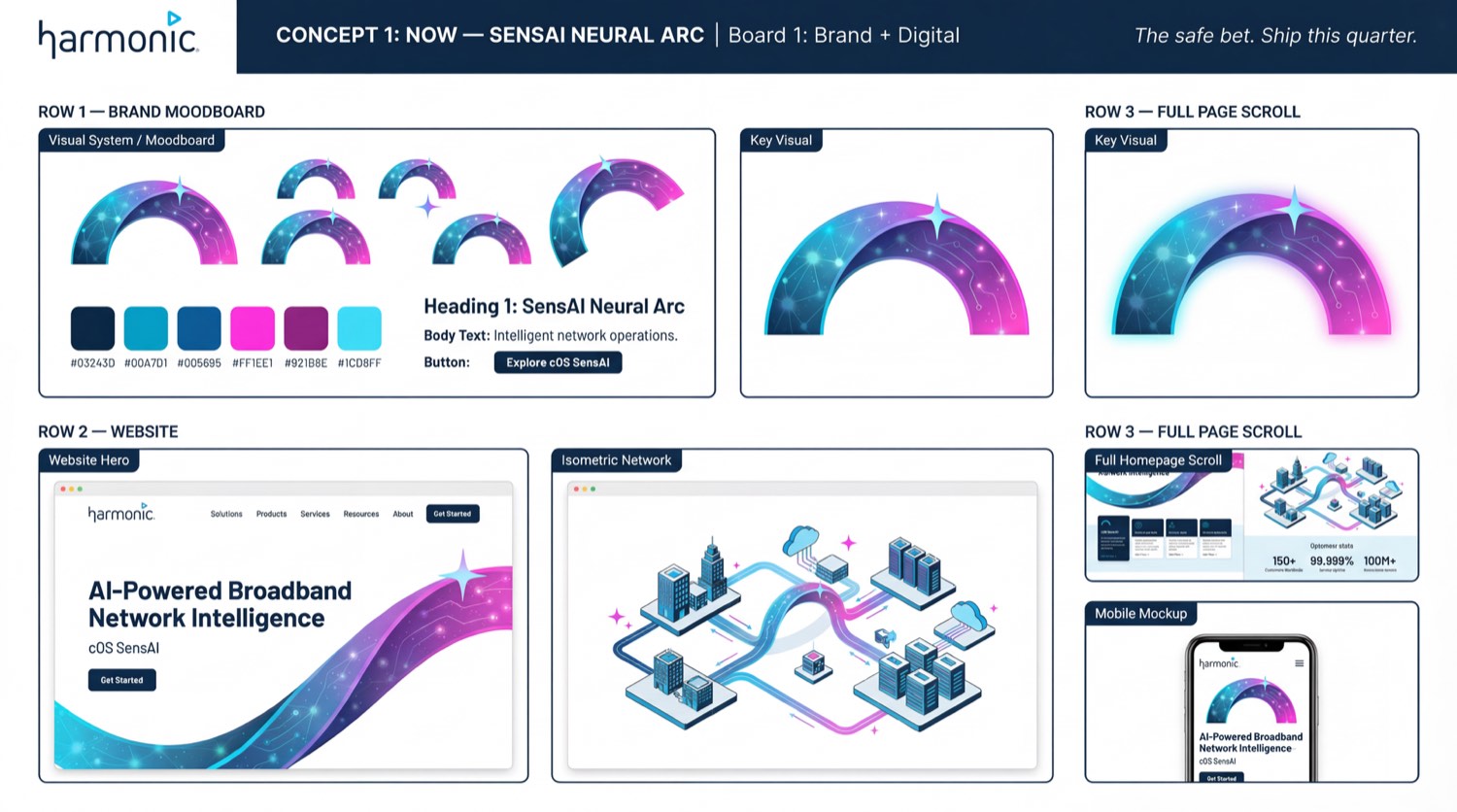
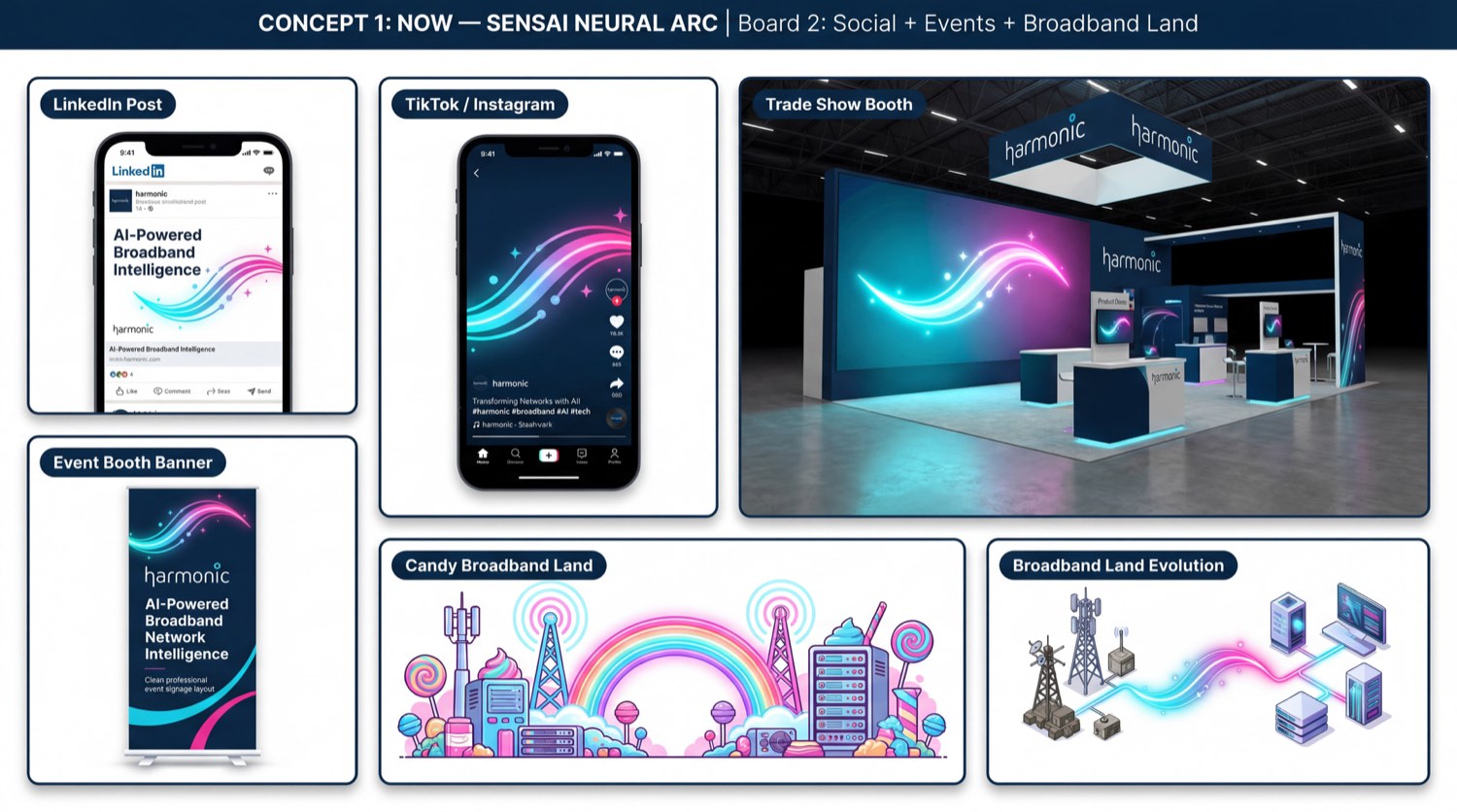
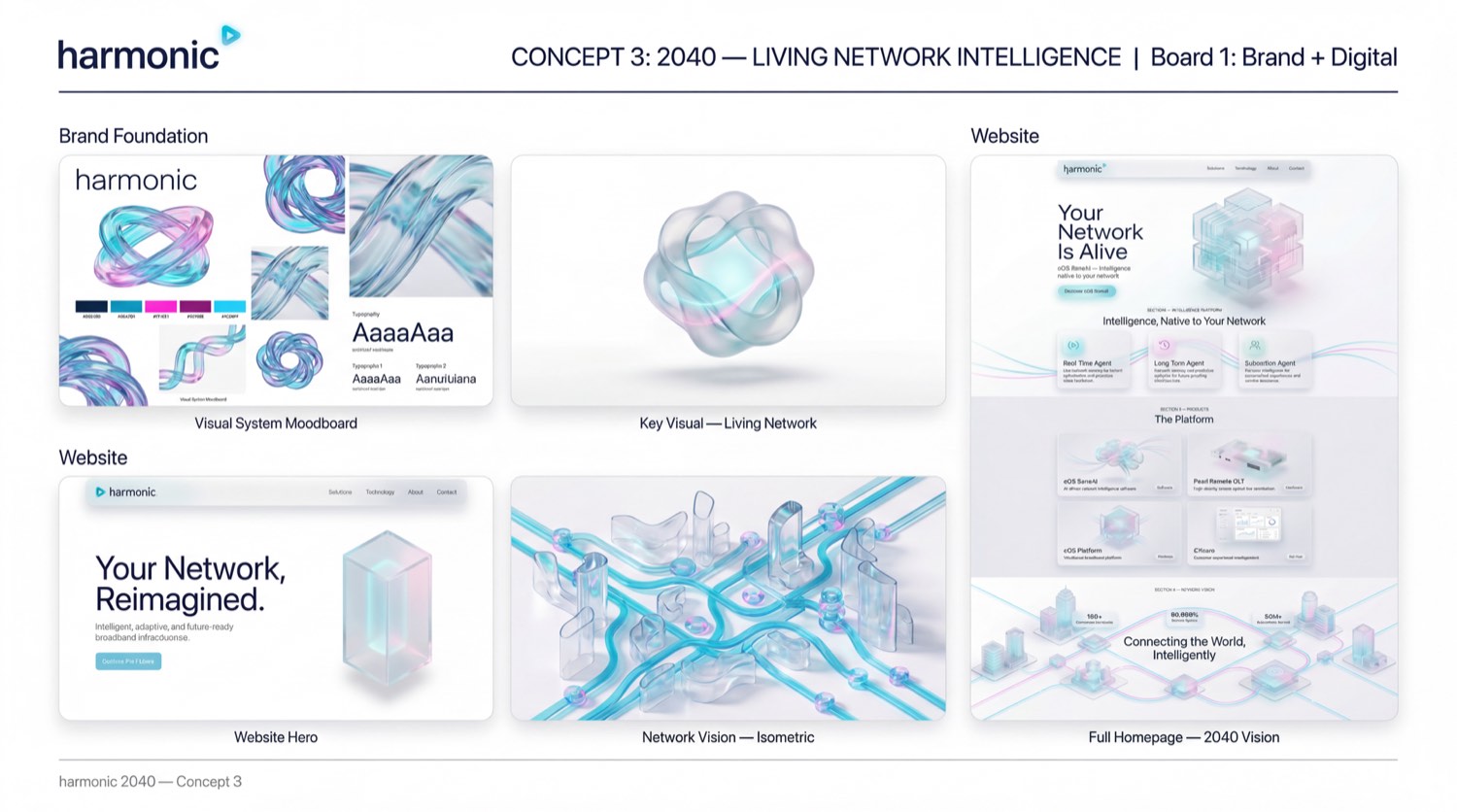
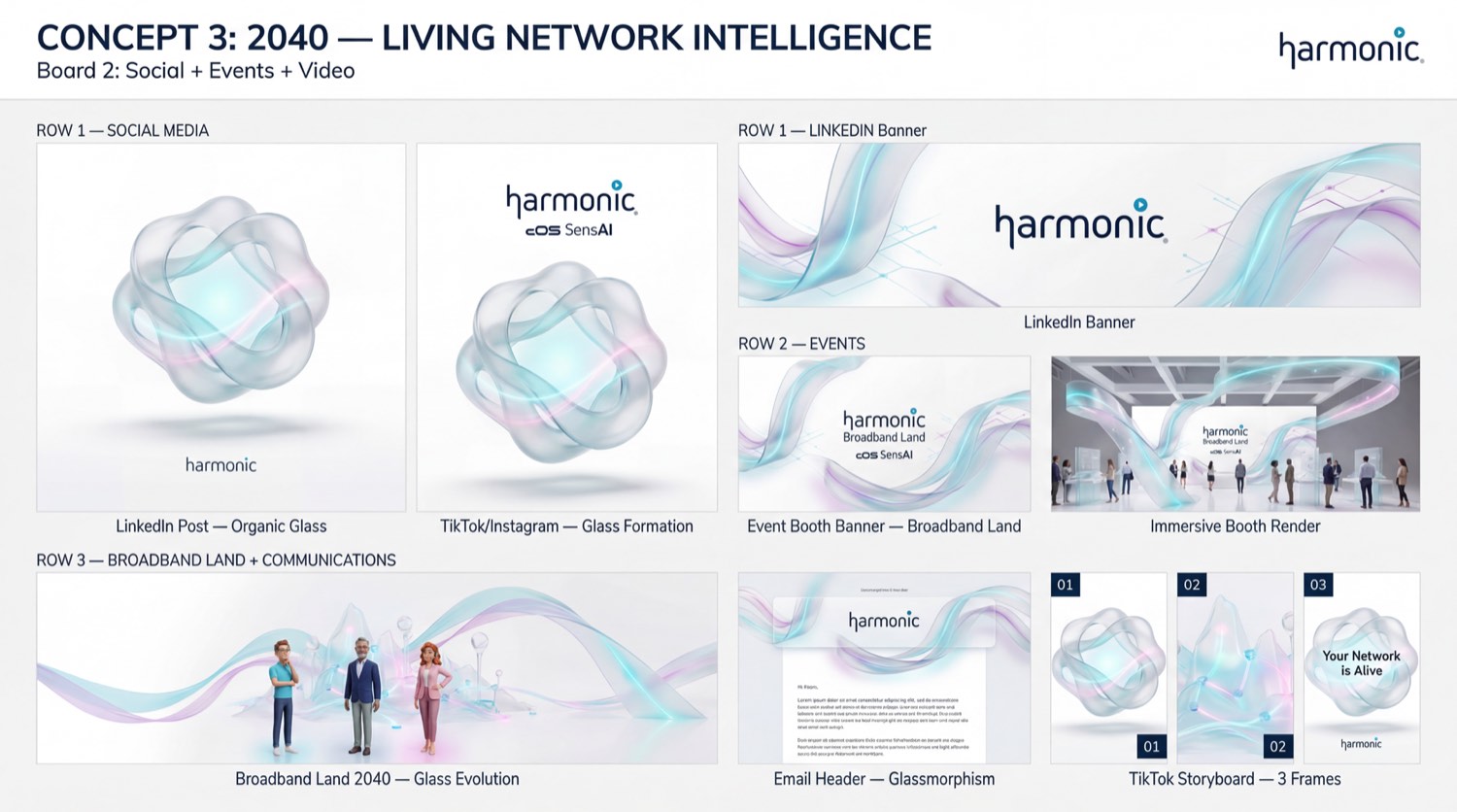
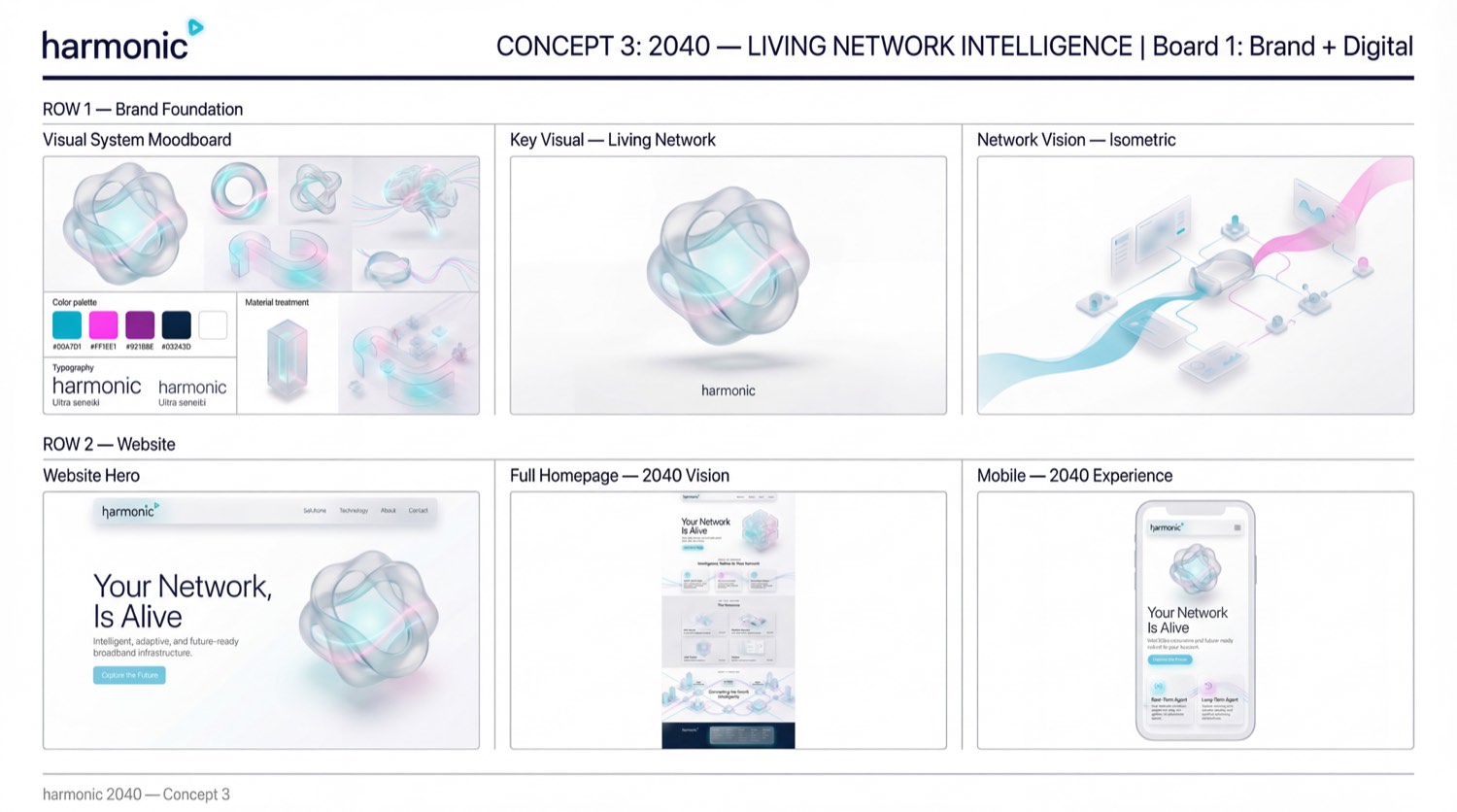
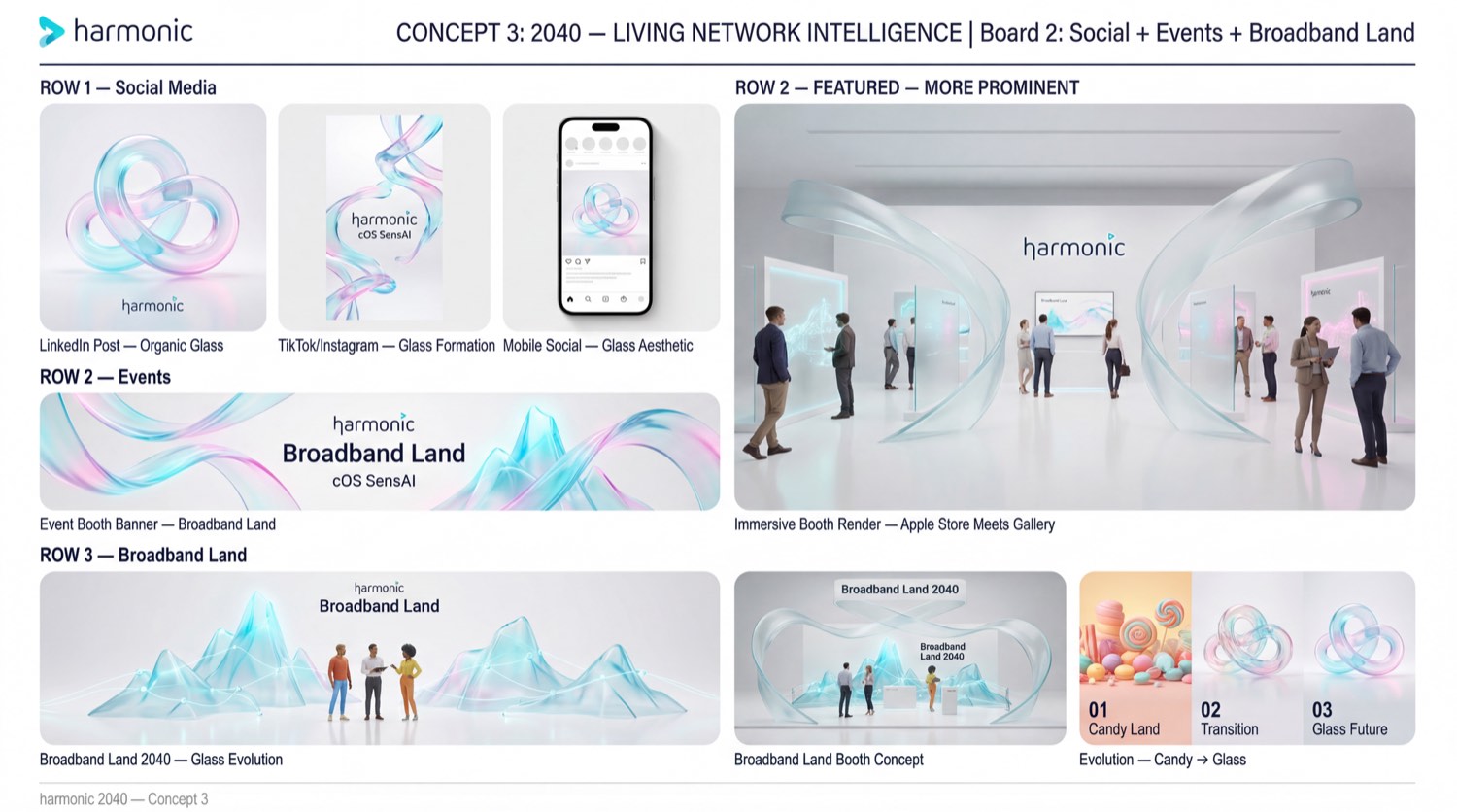
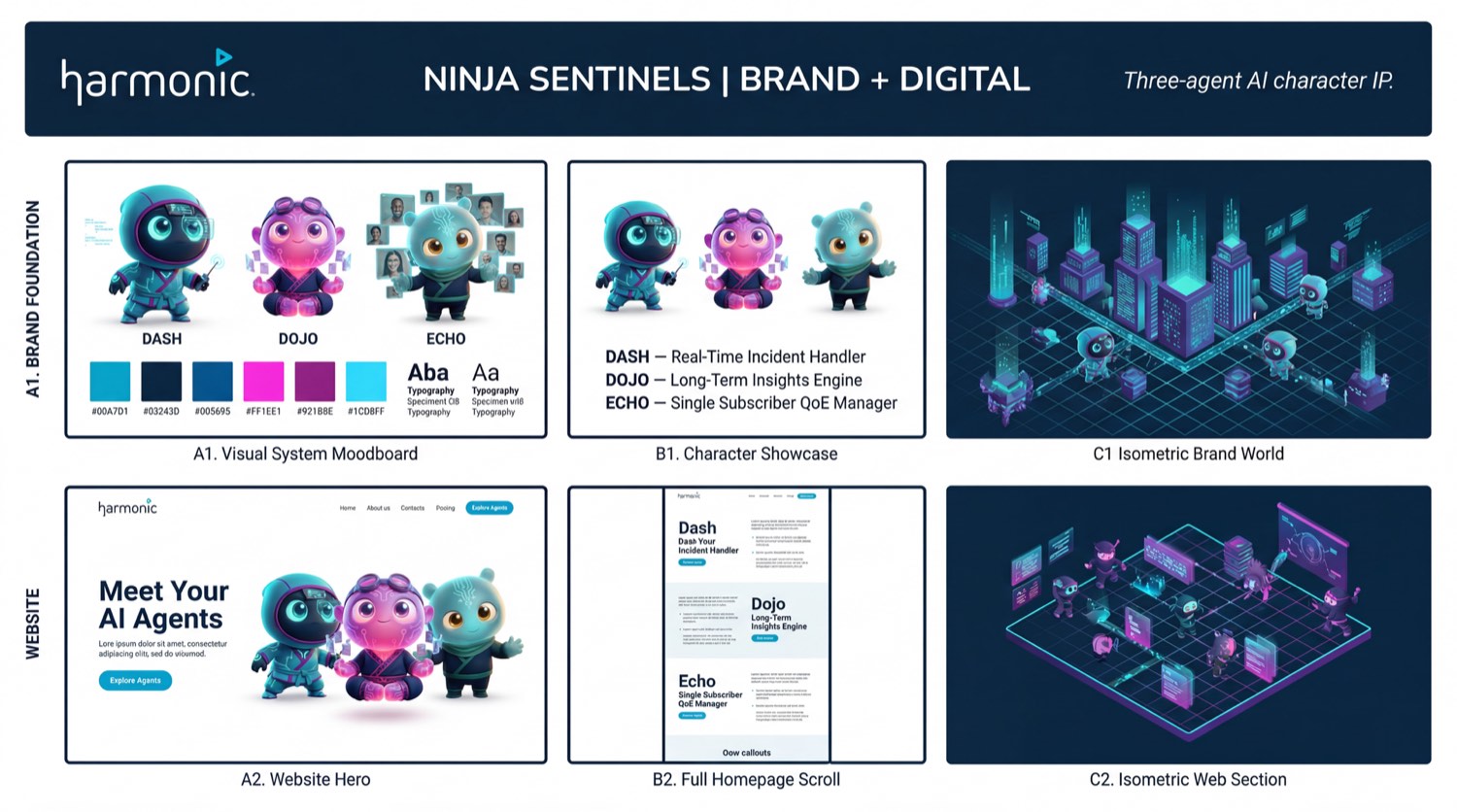
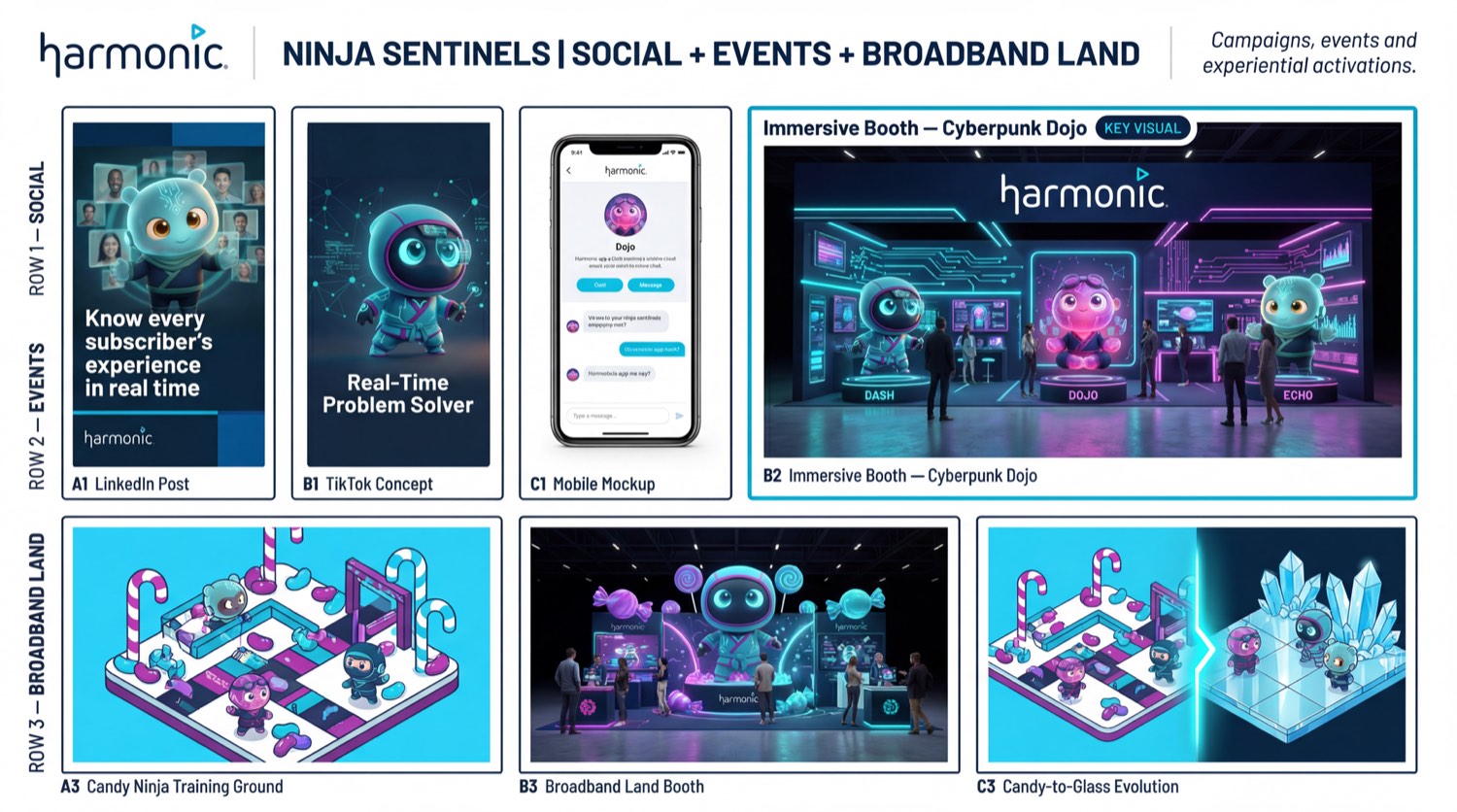
Concept 1 was the near-term bet and it is the one that shipped. Concept 3 pushed the same brand years out to find the edge of what it could become. The character study sat underneath both and is what the agent family grew out of. Each board carries a complete system: moodboard, palette with values, typography, key visual, website hero, full page scroll, mobile.

This is the part of creative direction that does not survive into the finished work, and it is the part that decides whether the finished work is any good. Choosing well is easy once the options exist. Making the options exist is the job.

Creative direction board
Concept 1, the near-term direction: brand, key visual, website, mobile
Creative direction board
Concept 1 continued: system applied across surfaces
Creative direction board
Concept 3, the long-horizon direction: a different material language entirely
Creative direction board
Concept 3: key visual and platform architecture
Creative direction board
Concept 3: environment and network vision
Creative direction board
Concept 3: full page and product surfaces
Creative direction board
Character archetype study: three agents, their roles, the world they live in
Creative direction board
Character archetype study: system and application
Output

What comes out of them

01

AI Film Studio: proposed, proven, adopted

Harmonic Inc. (NASDAQ: HLIT)

Proposed the AI video production operating model to leadership, was assigned to lead it, and proved it across two proofs of concept. The first was a complete 35-shot explainer directed end to end against a ten working day deadline, with a team spread across France and Denver: a graphic designer, a videographer and editor, and a video production graduate. None of them had used any of the tools, two were French native speakers, and all three arrived with very different appetites for change. The second I built independently and took to leadership as a business case. Both were approved, and the processes and tools now run all Harmonic video storytelling, external and internal.

Creative directionShot designTeam leadershipChange managementTraining and enablement
02

Launch films for the biggest product launch

Harmonic Inc. · new AI product

Seamless single-shot animated pieces running thirty seconds to two minutes. Transitions carried inside the shot, no cuts, narration integrated, the whole thing held inside a controlled brand style. Produced on a tool I introduced after building the proof independently and taking it to leadership as a business case: lower production cost, faster turnaround, less headcount required per production, and storytelling range the previous process could not reach.

DirectionAnimationNarrationBrand styleProduct launch
03

Visual identity and the agent character system

Harmonic Inc. · corporate rebrand foundation

Two years of disparate sub-brand assets consolidated into one visual identity system, built after the design function was vacated and without allocated budget. Includes a family of seven AI avatar characters, one for each vertical of the new AI product, sharing a design language, colour coding and holographic staging carried across launch, product and campaign surfaces. Goes live this month.

Brand systemCharacter designArt directionDesign language
04

Neuroflix: original vertical series

Founder · 2024 to present

Vertical micro-series development for neurodivergent storytelling across comedy and drama. Characters, sets, scripts, visual language and series bibles, written, designed, directed and produced solo. Run as a production system rather than a set of one-off pieces, which is what makes output at this scope and pace possible.

Original IPWorld buildingSeries bibleWriting
05

Client and consulting work

Independent · Fortune 500 and mid-market

Sixteen years of brand and creative strategy: brand narrative, visual identity, high-conversion landing pages, long-form content and video scripts, with creative direction for multimedia production. Hired, directed and developed freelance designers, illustrators and motion people, and managed agency and studio partners.

Brand strategyCreative directionFreelance and agencyContent systems
Measured

What the systems actually changed

95%
Reduction in clip generation time. Hours per scene down to fifteen minutes.
60–70%
Cut in content development time, by making the foundation reusable instead of rebuilding per campaign.
10 days
A complete 35-shot explainer, start to delivery, with a three-person team.
86 pages
Production documentation and team training, so the capability outlived the pilot.
90+
Companies screened by the agent array, querying four applicant tracking APIs directly and scoring every requisition against a weighted rubric.
3.5 yrs
Building the knowledge bases behind digital twins and AI agents, hand-structured and pruned until retrieval returns the right thing.

I also said no. A hundred-plus shot concept was declined after a feasibility analysis against real pilot data, with the failure modes documented, the hours projected, and three scoped alternatives offered instead. Knowing what not to build is the same skill as knowing how.

Contact

Let's talk about the work

Vancouver, BC. Available for creative leadership roles where the mandate is to build the capability, not just run the calendar.